
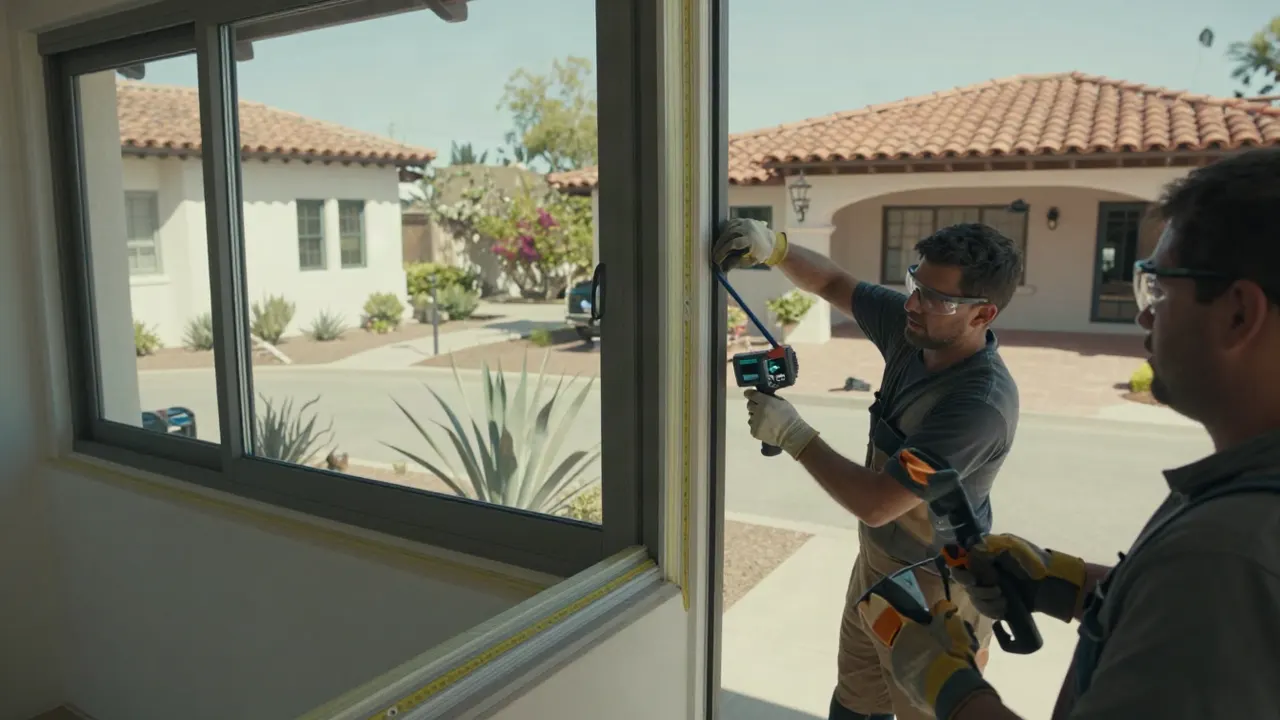
Removal and Disposal
We pull the old sash and frame, protect floors with drop cloths, and haul away all glass and debris. Disposal is included in the quoted price, so you are not renting a dumpster or making a trip to the transfer station.
Every thermal replacement job covers the full opening, not just the glass. That means removal, inspection, new framing where needed, insulation, sealing, and cleanup. Add-ons like rot repair or custom trim are priced separately and shown to you before we start.
We pull the old sash and frame, protect floors with drop cloths, and haul away all glass and debris. Disposal is included in the quoted price, so you are not renting a dumpster or making a trip to the transfer station.
Before the new unit goes in, we check the opening for rot, square, and plumb. If the sill or framing is soft, we show you the photo and price the repair before proceeding, so there are no surprise charges mid-job.
We fill the gap between frame and rough opening with insulation foam, then seal with flashing tape and silicone sealant. This is the step that stops air leakage around the window, which glass alone cannot fix.
Latches, cranks, and screens are adjusted on every unit. We test operation and confirm the window locks and seals tight before we call the job done, and we replace any screen that does not fit the new frame.
We vacuum sills, wipe glass, and remove all packaging. Then we walk you through operation, care, and warranty coverage, and leave the NFRC labels so you can verify the ratings on the installed units.
Thermal Window Replacement Los Angeles CA is the removal and reinstallation of insulated glass units and their frames so a home stops losing cooled air in summer and heated air in winter. The work covers pulling the old sash, checking the rough opening for rot, setting a new vinyl or fiberglass frame, and sealing it with flashing tape and silicone sealant. The glass itself is double pane or triple pane, filled with argon gas or krypton gas, coated with Low-E, and built with warm edge spacers to stop condensation at the edges.
Los Angeles homes take a beating that shortens window life. Westside salt air corrodes aluminum frames; Valley summers push interior glass surface temperatures past 110 degrees; and the 2022-era Title 24 updates tightened U-factor and SHGC limits on replacements. That is why so many homeowners search for thermal window replacement in Los Angeles CA near me after a summer of $400 power bills. We see foggy double pane glass, UV fading on hardwood floors, and stuck windows in nearly every 1960s-1980s house we walk into.
Every job follows the same five stages, whether it is one window or a whole house. You get a written schedule before we order glass, and you know which day each crew arrives.
Schedule
Call or book online — a real human picks up and confirms a 2-hour arrival window.
Diagnose
Licensed tech inspects on-site, then walks you through the cause and your options.
Fix
The job is completed to code and done right the first time — no shortcuts, no surprises.
Guarantee
Every job backed by a written workmanship warranty — and we stand behind it.
Laser level and tape measure
Used at measure to confirm square, plumb, and exact opening size. A window that is a quarter inch out of square will not seal properly, so this step happens before anything is ordered.
Pry bar and utility knife
Used to remove old sash and trim without damaging the surrounding wall. Careful removal keeps the opening intact and reduces the need for drywall repair after install.
Insulation foam gun and caulking gun
Used to fill the gap between frame and rough opening and to lay a consistent bead of silicone sealant. Proper foam and sealant application is what stops air leakage around the frame.
Flashing tape
Applied at the sill and jambs to shed water away from the opening. In Los Angeles, where the few winter storms deliver a lot of water fast, flashing is what keeps the wall cavity dry.
Window glazing tools
Used to set glass and finish edges cleanly on units that require glazing. Clean glazing lines matter for both weather sealing and appearance.
AAMA and WDMA installation standards
We follow the installation standards set by AAMA and WDMA for flashing, shimming, and sealing. These are the same standards referenced by NFRC certification and California Title 24 compliance, so the installed window performs the way the label says it will.
NFRC-certified product selection
Every unit we install carries an NFRC certification label listing its U-factor and solar heat gain coefficient. We match those ratings to each elevation, so west-facing windows get a different coating than north-facing ones.
California Title 24 compliance
Replacement windows in California must meet Title 24 U-factor and SHGC limits for the climate zone. We verify the product meets those limits before ordering, and we leave the documentation with you.
Full-frame replacement
We replace the whole unit, not just the sash, so the frame, track, and hardware all align. That approach costs a little more upfront but avoids the leaks and sticking that come from fitting new glass into an old, out-of-square frame.
01
What we do: We measure all openings, spec Low-E double pane units with argon for the west and south elevations, and install with full air sealing at each rough opening.
→ Cooling costs typically drop 20% to 35%, the rooms facing the street stay quieter, and the windows open and close without sticking.
02
What we do: We replace the units with fiberglass frames and sealed double pane glass, matching the existing trim profile so the building facade stays consistent.
→ The corrosion problem is gone, the view is clear again, and the HOA gets a uniform exterior without a full building retrofit.
03
What we do: We replace the failed units and add Low-E coating to the south-facing glass, which blocks UV while keeping visible light.
→ The fog is gone, the floor fading stops, and the replacement matches the existing Milgard profile so the house looks original.
04
What we do: We install laminated or triple pane glass on the street-facing elevations, which cuts noise infiltration by 50% to 70% compared with single pane.
→ The bedrooms are noticeably quieter the first night, and the thermal performance improves at the same time.
Los Angeles is not one climate, and the window package that works in Santa Monica is not the one that works in Woodland Hills. Coastal homes deal with salt air and marine humidity, which corrodes aluminum frames and works at seals. Valley homes deal with summer afternoons that push interior glass surface temperatures past 110 degrees and a 40-degree swing between day and night. We spec fiberglass frames on the coast and Low-E double pane with argon in the Valley, and we check Title 24 limits for each address before ordering. The housing stock matters too: 1920s bungalows often need rot repair at the sill, while 1980s tract homes usually have sound framing and just need the glass and seals brought up to date. If you are looking for affordable thermal pane window replacement in Los Angeles, California, the honest answer is that the price depends on the opening, not the ZIP code. We measure every window and quote the actual work.
Sherman Oaks
A mix of 1950s ranch homes and newer builds, many with west-facing walls that overheat. Low-E glass with a low solar heat gain coefficient makes the biggest difference here.
Santa Monica
Salt air and marine humidity shorten the life of aluminum frames. Fiberglass frames and stainless hardware hold up better within a few blocks of the ocean.
Northridge
Many 1960s and 1970s tract homes still have original single-pane windows. Full-house replacements here typically cut summer cooling costs by a quarter or more.
Woodland Hills
Among the hottest pockets in the Valley, with summer highs often above 100 degrees. We spec higher-performing glass packages on west and south elevations here.
Summer heat gain on west-facing walls
Interior glass surface temperatures can exceed 110 degrees, which drives cooling load and accelerates seal failure. Low-E coatings and argon fill are the fix.
Coastal salt air and marine humidity
Aluminum frames corrode and seals degrade faster near the ocean. Fiberglass frames and stainless hardware extend service life.
California Title 24 replacement limits
Replacement windows must meet U-factor and SHGC limits for the climate zone. We verify the product meets those limits before ordering.
Older housing stock with single-pane glass
Homes built before 1980 often have single pane glass and worn weatherstripping, which means air leakage and noise. Full-frame replacement addresses both.
Most calls we get start with one of four complaints. All four trace back to failed glass, failed seals, or failed frames, and all four are fixable with the right thermal unit.
Problem
A failed seal lets moisture between the panes, which obscures the view and signals the unit is no longer insulating. Left alone, the glass keeps degrading and the room keeps losing efficiency.
Our Fix
We replace the failed insulated glass unit with a new sealed unit filled with argon gas and built with warm edge spacers. The fog is gone, and the window performs like new again.
Problem
Air leakage around frames and through worn weatherstripping pushes up heating and cooling costs and makes rooms uncomfortable near the glass. It also lets dust and noise in.
Our Fix
We replace the unit and re-seal the rough opening with insulation foam, flashing tape, and silicone sealant. New weatherstripping completes the seal, and the whistle stops.
Problem
Single pane and older double pane glass let solar heat gain through, so the AC runs longer and the room stays hot until sundown. UV also fades floors and furniture.
Our Fix
We spec Low-E glass with a low solar heat gain coefficient for west elevations, which rejects most of the afternoon sun. The room stays cooler and the fading stops.
Problem
Warped frames and failed balances make windows hard to operate, which becomes a safety issue in a bedroom and a comfort issue everywhere else. Forcing them can crack the glass.
Our Fix
We replace the full unit, not just the sash, so the frame, track, and hardware all align. Every window is tested for smooth operation before we leave, and you get care instructions to keep it that way.
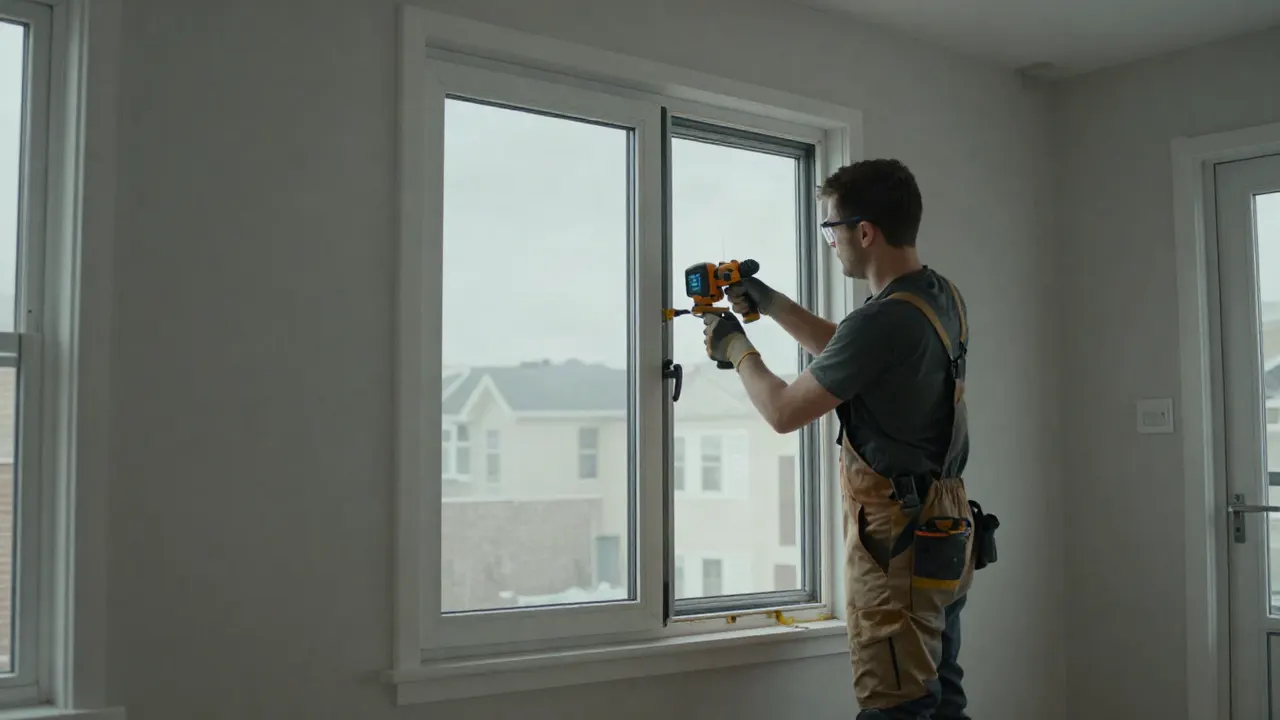
A thermal unit does three jobs at once: it blocks heat transfer, it seals out air and noise, and it keeps its clarity for decades. Here is what that looks like in real Los Angeles homes.
Lower Summer Cooling Load
Low-E glass with a solar heat gain coefficient around 0.25 rejects most of the afternoon sun before it becomes heat. In a 1,800-square-foot Valley home, that often trims $40 to $70 a month off summer cooling, and the rooms facing west stop baking by 4 p.m.
No More Foggy Glass
Failed seals let moisture between panes, which is the number one reason people call for thermal pane window replacement Los Angeles. New units are pressure-tested and backfilled with argon, so the glass stays clear instead of turning milky within a season or two.
Quieter Rooms Near Busy Streets
Laminated or triple pane glass cuts noise infiltration by 50% to 70% compared with single pane. Homes along Ventura Boulevard, the 101, and the 405 notice the difference the first night, especially in bedrooms that used to pick up every truck and siren.
Frames That Stop Rotting
Vinyl and fiberglass frames do not absorb water the way wood does, and they hold up to coastal humidity. We replace rotted frames and sill plates during the same visit, so you are not paying twice for the same opening.
Google ★★★★★4.9
Measured on a Tuesday, quoted the same afternoon, installed the following week. The crew replaced eight windows in one day and cleaned up so well you could not tell they had been there. The foggy glass in the kitchen is finally gone.
Yelp ★★★★★4.8
We had three failed seals and wanted the new units to match the existing Milgard profile. They found the match, installed in about four hours, and walked us through the warranty. No pressure and no add-ons we did not ask for.
BBB A+
Licensed, insured, and on time. The estimator showed us a photo of the rot at the sill and priced the repair before starting. The windows operate smoothly and the street noise is much lower.
American Reliable Windows & Doors has been installing thermal windows since 2011, which puts us at 15 years serving Los Angeles County. Our installers are trained on AAMA and WDMA installation standards and work to California Title 24 compliance on every replacement. We have measured and installed thousands of openings across the Valley, the Westside, and the foothill neighborhoods, from 1920s Craftsman homes to 1990s stucco tract houses. That range matters because the right glass package for a Sherman Oaks ranch house is not the right package for a Santa Monica condo facing the ocean.
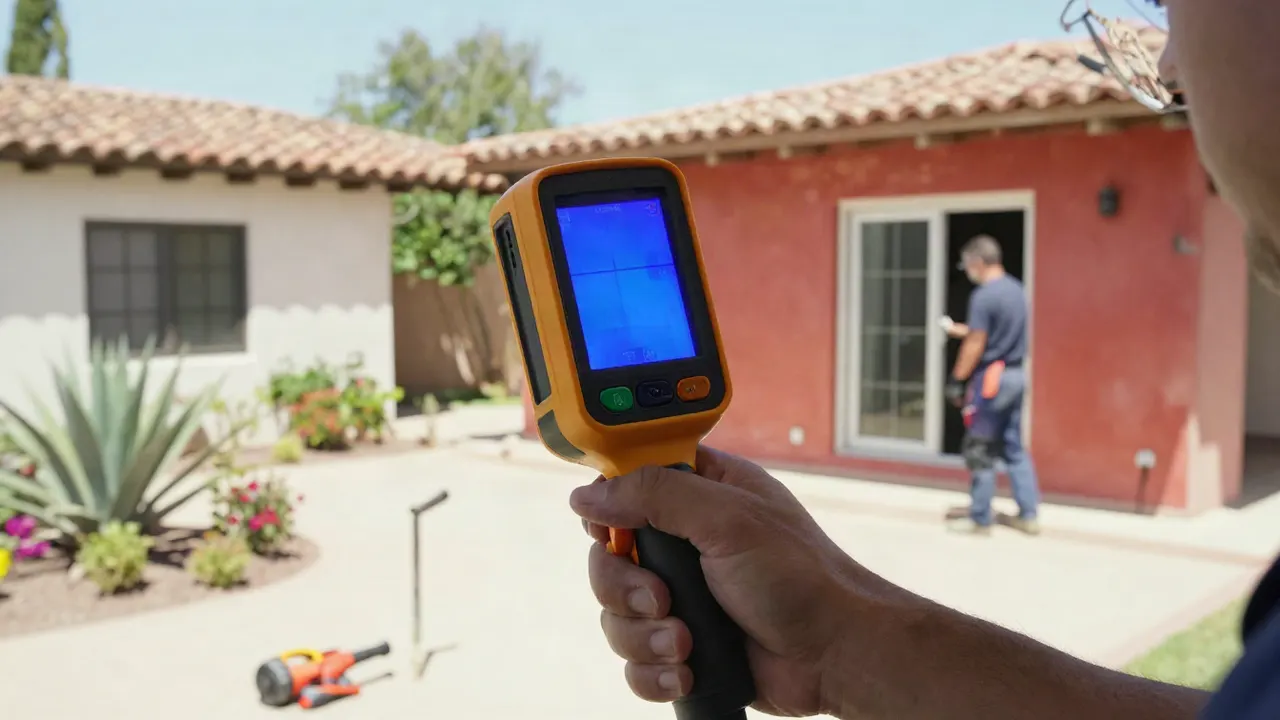
Real experiences from customers who chose our Thermal Window Replacement services.
“Our 1972 house had single-pane windows that turned the back bedrooms into an oven by noon. The crew replaced 11 openings with Low-E double pane units in two days. The foggy glass in the kitchen is gone, and our August bill dropped about $60. They laid drop cloths everywhere and vacuumed the sills before they left.”
Maria G.
Homeowner, Northridge
“Salt air had eaten the aluminum frames on our front windows. American Reliable measured on a Tuesday and had the quote that afternoon. The fiberglass units they recommended fit the 1940s openings without changing the trim. Street noise from Lincoln is noticeably quieter, and the windows open and close without sticking.”
David K.
Homeowner, Santa Monica
“We had three failed seals and foggy double pane glass in the living room. They matched the existing Milgard profile so the new units look original. Install took about four hours for five windows, and they hauled away every piece of old glass. The walkthrough at the end covered latches, screens, and the warranty paperwork.”
Priya S.
Homeowner, Sherman Oaks
Real answers to the questions we hear most often from local homeowners and property managers.
New-construction and addition openings get the same thermal glass packages we use on replacements. We size, flash, and seal each unit to Title 24 limits so the whole envelope performs together.
View Energy Efficient Window InstallationThe broader replacement service covers every glass and frame upgrade, including thermal units. If you are replacing a mix of window types, we scope the whole house in one visit.
View Energy Efficient Window ReplacementDouble pane glass is the workhorse of thermal replacement. We swap failed units and upgrade single pane to sealed double pane with argon and warm edge spacers for a clear, quiet result.
View Double Pane Window ReplacementTriple pane adds a third layer of glass and a second gas cavity, which helps on the loudest streets and the hottest west-facing walls. It is the upgrade we recommend when noise and heat gain are the main complaints.
View Triple Pane Window ReplacementLow-E coatings are what make thermal glass work in Los Angeles sun. We match coating type to each elevation so west-facing windows reject heat while north-facing ones keep visible light.
View Low-E Window ReplacementInsulated units pair thermal glass with foam-filled frames and proper air sealing at the rough opening. That combination is what stops air leakage around the frame, not just through the glass.
View Insulated Window ReplacementReach us at (747) 350-1790 Monday through Friday, 8 a.m. to 6 p.m., and most calls are answered by a person, not a queue. Leave a message after hours and we return it the next business morning. Tell us how many openings you have and what is failing, drafty, foggy, or noisy, and we will book a measure slot and confirm by text.
Phone
(747) 350-1790Address
Los Angeles, CA
Hours
Mon–Fri: 7AM – 7PM
Sat: 8AM – 4PM
Sun: Emergency Only
24/7 Emergency Available